Featured

The impact of sport and exercise on a person’s well being.

It is common for everybody to feel down at times and everyone is affected in different ways. Some people may generally be worried about day to day tasks and activities while others may have more serious and prolonged low periods. These feelings are natural and it’s important to react in a positive way to overcome such difficulties. 1 in 4 people will suffer from mental health issues in their lifetime and it’s important to raise awareness for such issues and to reach out for help if needed.

Sport and/or exercise is a great way for individuals to boost their self-esteem, not forgetting to mention the fact that it makes you sleep, look and feel better. Traditionally, when people think of exercise, they think of going to the gym or going for a run. Being active and keeping fit is not all about lifting weights and running for hours on a treadmill. For some, that’s what they like to do but for others that’s not an option. Sport is a great way to exercise and keep fit as it’s an activity that many people enjoy and it’s also a great way to meet new people.

Speaking to a number of people this is what they have got to say:

            “ I strongly believe a balanced diet, daily exercise and regular meditation helps me cope through difficult times. The exercise particularly energises me mid-morning and at the other end of the day, it aids my sleep. Regardless of my worries, I tend to leave them aside and sleep restfully, picking up the challenges again the following day.” (Pharmaceutical VP Quality)

            “Fitting exercise into my weekly schedule is so important because it provides me with enough energy to continue my day. I usually find that my most productive days are ones in which I have either played sport or went to the gym.” (PE teacher)

            “Sport is an important part of my life as it challenges me to be better and it provides me with an outlet to relieve my stress, either by playing sports myself, supporting my team on television or in the stadium. Attending matches at the weekend is very important to me as sport is a crucial part of my personal identity.” (Student)
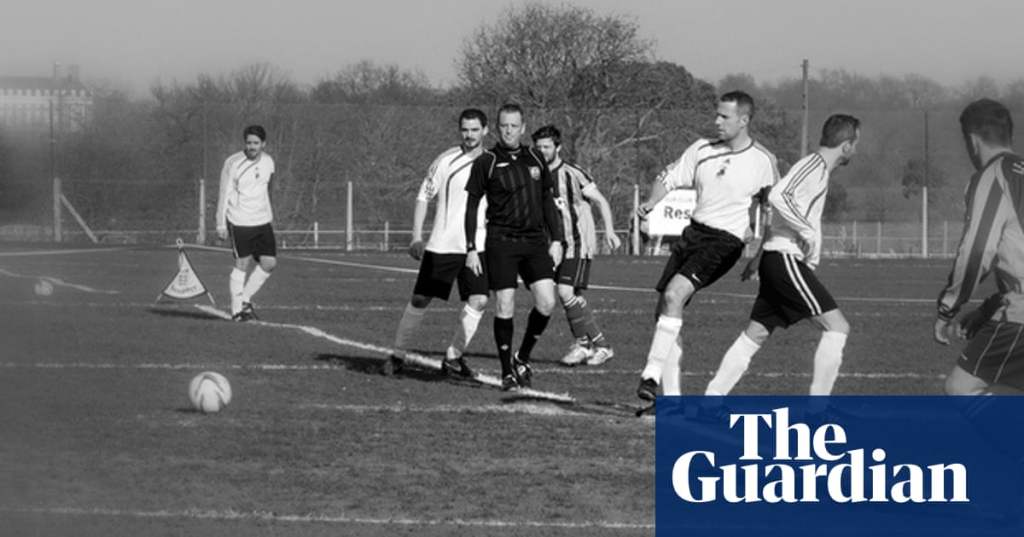
Picasa, 2014. Max Rushden kicks off during a match for his amateur team Polytechnic 4s in 2014, Digital image, accessed 9 April 2020,https://images.app.goo.gl/mf21UMuFHc8f7gBr5.

Personally, playing sport gives me an outlet to express myself, meet new people and participate in something that I love. I play team sports such as tag rugby and solo sports such as golf and they both affect me positively in different ways. Team sports allow me to meet others who share a common interest and solo sports allow me to challenge myself and give me a sense of purpose. When I’m having a bad day, I love nothing more than going out playing sport, lifting weights in the gym or even a kick about with my friends.

To conclude, sport is a great way to boost mental health. It can relieve stress, give you energy, improve sleep, better your social life and of course, it’s fun! Adopting sport and/or exercise into your daily routine is essential and you’ll be better off for it.

If you ever feel low, it’s important that you talk to someone and get it off your chest. It could be a friend, a parent, a grandparent or whoever that person is in your life that you trust. There can always be a case where you might not have someone that’s close to you or you don’t want to speak to people you know. Samaritan’s are there, day and night, to help anyone who needs someone to listen without judgement or pressure. To contact Samaritan’s for free, call 116 123.
The impact social media has on professional athletes’ mental health.

Social media plays a big role in most of our lives. Apps on our phones such as Instagram and Twitter are often the first things we check when we wake up. Whether we’re bored on the bus, in the car, maybe in a lecture hall or simply just lounging on the couch, our phones constantly seem to be in our hands. Through social media anyone can express their opinion and these opinions can be seen almost instantaneously by people around the world. The benefits of social media can’t be denied, connecting with people across the world and gaining access to up to date news and information. However, many people choose to only focus on the good aspects and ignore the negative aspects of social media that unfortunately exist. This blog will discuss the impact social media has on professional athletes and their mental health.

For professional athletes’ social media can be beneficial, it allows the athlete to connect and engage with their fans. It can allow players to create a brand and the possibility to obtain sponsorship through the use of social media platforms. These platforms also allow sports fans to follow their team pages and get quick and factual updates about teams and their players. These constant interactions allow teams and players to build relationships with their fans. While social media sites can help these athletes in many ways these sites can also negatively affect athletes. Every criticism and bad comment made about an athlete on social media can be seen by many people around the world. These comments can have a negative impact on the athletes who read them.

Being a professional athlete brings enough pressure without the world commenting on your skills, abilities and personal appearance. During sporting events the commentators are talking through the events happening on the field. At times they will single out athletes for praise but also criticism. The commentators notice when an athlete is not in peak performance and they comment on it! Athletes already face a lot of pressure, without being criticised by fans on social media. Overtime all the negative comments will begin to affect the athlete, having them questioning are they good enough.

The players’ Tribune. “Katelyn Ohashi was the best gymnast in the world, until she wasn’t”. Online video clip. Youtube. Youtube 8 August 2018. Web. 9 April 2020.

In an interview with The Players’ Tribune, Katelyn Ohashi a once Olympic hopeful recalls the damage caused by people expressing their opinion on her physical appearance and her skill level. Ohashi states that her fans would constantly make comments about her physical appearance and at one stage Ohashi was compared to “a bird who couldn’t fly”. She notes that her fans would also comment about her ability when she would fail at competitions. She became embarrassed about her body size and was always tracking what she ate. These comments and criticism after time began to affect Ohashi in a negative way, however she felt that she could never publish these issues she was facing.

Social media has a lot of benefits for everyone who uses it, however it also has negatives. People who constantly use these platforms need to be aware of what they say and how it can affect people. Often athletes are placed on a higher platform and many forget that athletes are normal people who can suffer from metal health issues. Being in the public eye many athletes feel they cannot open up about these issues they may be facing! It is evident that people who are constantly expressing their opinion on how athletes look, or on their performance can harm the athlete mentally! Athletes being body shamed can lead to them developing body image issues or even eating disorders. Social media platforms can greatly benefit athletes and help to grow their careers; however, it can hold a dark side and athletes can suffer mental health issues due to how the world perceives them.

There’s more to life than sport – Finding yourself among your friends.

Adolescence is a time in a person’s life when they begin to find out who they are, what they enjoy and what they’re good at. It’s important to be yourself particularly at this stage of your life because it will not only allow you to find yourself, it will also give people a sense of who you are and what you’re interested in. Hegemonic masculinity is a big problem among boys during their adolescent years. They want to be seen as strong and brave, but this can lead to many suppressing their talents and emotions because it’s not seen as masculine.

Friends will have similar interests and that’s why they get along. For many male adolescent friend groups, sport is usually a common interest. If sport is a keen interest of yours, there’s a high possibility that a number of your friends also share that interest. However, it’s important to note that not all of your friends will have the same interests or abilities and it’s vital not to push people into things that they have little or no interest in doing. This can cause mental health issues among these individuals because they are prevented from expressing themselves. Every individual has their unique skills and talents, it’s important that boys from a young age are able to express themselves in ways which benefit their well-being and not doing things just to fit in with others.

Treacy, Lucas. “There’s more to life than sport – Finding yourself among your friends“. ‘Online video clip’, Youtube. Youtube 6 April. 2020. Web. 9 April 2020.

Here’s a video/skit that I’ve created which explains what I mean by expressing yourself rather than trying to fit in with others. The guy on the right is playing the role of your traditional male adolescent who is interested in sport which in this case is soccer. In contrast, the guy on the left is an avid dancer with very little interest in sport. In this video, the guy on the right is eager to play soccer with his friend but gets frustrated and leave’s due to the fact that his friend can’t play to a certain standard. The camera pans back to the guy on the left who gives us a taste of what he is passionate about and that’s dance.

Ultimately, this video delivers an important message and a valuable lesson. It shows us that its ok to be different and your friends should like who you are rather than who they expect you to be. Express yourself and don’t feel like you’ve got to impress anyone, the most important thing is your well-being. Your mental health is so important, particularly in times like this during self-isolation due to Covid 19. You’re free to go outside your house during this time, it’s vital to get some fresh air and step away from your screens. This is a time period where you can focus on yourself and even learn and develop a new skill. This period in your life can be positive or negative, it’s all up to you to decide how you spend it. Better yourself during this isolation period and take care of your mental health, don’t pass up this great opportunity.

The harsh reality of competitive sports.

The importance of exercising and staying active is hard to ignore. Doctors and experts are constantly expressing the importance of getting up off your couch and going outside. The benefits of exercising are rewarding, when you’re up and regularly moving about you already feel better. With the addition of fresh air and increased activity, you get a rush of blood, releasing endorphins which are chemicals that make us feel good. The majority of people enjoy a light exercise session such as going for a walk, swim or the odd exercise class, while others enjoy hitting their local gym every day. But, the training, hard work and dedication these people put in to become professional athletes is astonishing, their sport becomes their livelihood and in turn becomes their lifestyle.

The benefits of sports and activity on mental health is inarguable, through team sports you meet and converse with new people in addition to exercising and doing something you enjoy. However, when you decide to become a competitive athlete, it changes your outlook on the sport. For many, this decision to go professional comes at a young age with certain sports training their competitive athletes before their teenage years. Many of these professional/competitive athletes start their journey enjoying the sport recreationally before they realise that they are talented enough to consider going professional. Once an athlete decides to become involved competitively everything changes, firstly their training becomes more intense which leads to more hours spent developing and learning new skills. The average hopeful Olympic gymnast trains between 6-8 hours a day, leading to around 45-50 hours of training per week.

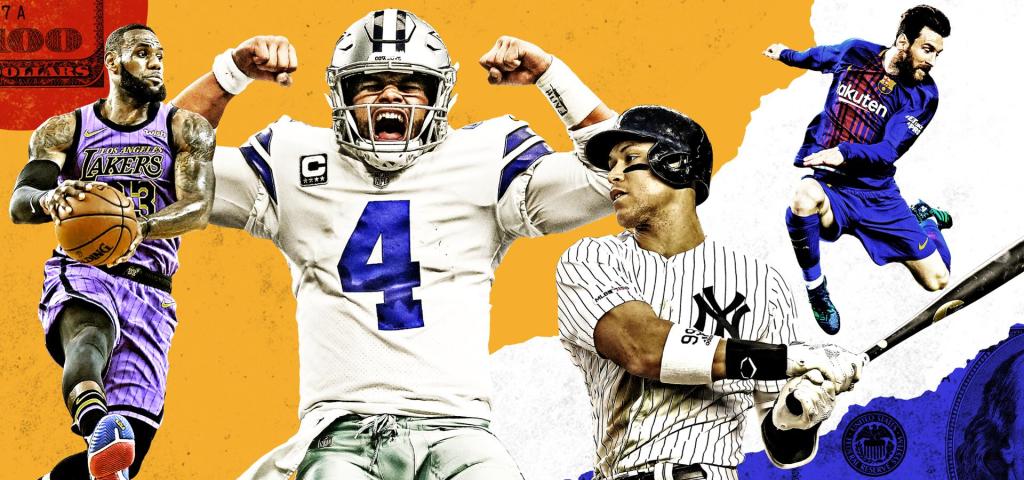
Badenhusan , K 2019, The world’s 50 most valuable sports team 2019. accessed 08 April 2020. https://images.app.goo.gl/xZGxix2M1baT7YzU6

What implications do these intense training sessions and competitions have on the mental health and well-being of these athletes? Many athletes start training and competing at a young age especially in sports such as gymnastics and trampolining, with some athletes competing at the Olympic games as young as 16. If these athletes wish to compete at an international level, often this means having to forgo a normal childhood in exchange for the bright lights of the gymnastics training hall where they spend hours training with the possibility of unfortunate injuries. These athletes are often home schooled as it fits better around their training schedule, sometimes leading to a smaller social circle, along with this many athletes are on strict meals plans, these athletes give up a regular life, they miss out on coming of age moments, such as school dances, being part of school team and going to parities all in the hopes of being a competitive athlete. These athletes often push their bodies and their minds to the limits all for the sport they love.

With professional athletes whether they are Olympic hopefuls or play within leagues such as the NFL, the NBA or other sporting leagues often admit to that sport becoming their whole life. The sport they compete or play in is their identity, it often becomes their worth and they base themselves on how well they compete, on how many medals or trophies they won. The athletes if they failed would place pressure upon themselves to perform better and train harder. Olympic hopeful athletes often have to make a tough decision whether to accept sponsorship during their career, if they choose to accept these paid sponsorship in some sports it disqualifies them from accepting college scholarships or competing at a collegiate level.

Do these professional athletes suffer mentally from the pressures they face? The obvious answer would be yes. While keeping active is great for your body and your mental health do these athletes push it too far? Whether it’s the crazy training hours, strict diets, or lack of free time these athletes must follow these in order to make it to the top. Not only do these athletes face pressure to perform well in front of their coaches and in competitions, they’re constantly being spoke about specifically on their performance. Overall professional athletes face a lot of pressure to to achieve their goals and perform to the best of their ability. Ultimately, is it sustainable and is their mental health suffering as a result?

Mental health in the world of professional sports.

Awareness of mental health has become ever more important in recent years. People all around the world are becoming wiser in regards the impact mental health has on individuals and what can be done to improve it. Mental health can affect anybody, and it can be difficult for many people to come to terms with issues such as depression and anxiety. Professional athletes who have suffered with their mental health in the past are beginning to open up and share their stories on social media. Athletes are role models for many of us and by telling their story, they’re hoping that this will encourage others to be brave and speak to somebody if they are struggling.

Professional athletes are constantly in the spotlight and are idolised by many because of their athletic abilities. We praise athletes when they perform well and criticise them when they make mistakes. Many people assume athletes who are well paid and at the top of their sport are happy all the time. This is not the case and athletes are just as likely to suffer from everyday mental health issues. Athletes Michael Phelps, Demar DeRozen and Serena Williams are some who have spoken out about their issues with mental health.

Michael Phelps is the most accomplished Olympian of all time with a total of 28 medals to his name. However, soon after his retirement in 2016, he opened up about his battles with depression.  Phelps contemplated suicide following his second DUI arrest in 2014. On completion of his therapy sessions, Phelps said the following. “Once I started talking about my struggles outside the pool, the healthier I felt. Now I have kids and adults come up to me and say they were able to open up because I was open about my life.” NBA player Demar DeRozen opened up in 2018 about his struggles with depression and anxiety. DeRozen said “no matter how indestructible we look like we are, we’re all human at the end of the day.”

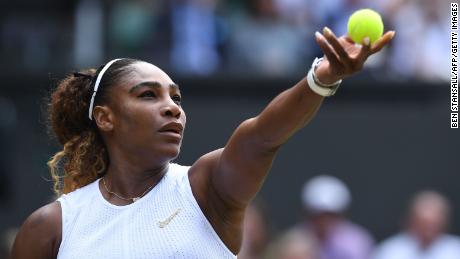
Ben Stansal, 2019. Serena Williams serves against Czech Republic’s Barbora Strycova during the 2019 Wimbledon championships, Digital image, accessed 9 April 2020.https://images.app.goo.gl/j9VHXYkucVxGVRtVA

Serena Williams is arguably the most successful female tennis player of all time having won 23 grand slams. Due to her medical history, Serena nearly died while giving birth to her daughter Olympia. Despite her difficulties, she returned to tennis, got to the Wimbledon final where she was defeated by the now 3-time grand slam winner Angelique Kerber. As a result of her rigorous training schedule, she felt like she was not around her daughter as much as she would want. Serena posted this on Instagram: “whether stay-at-home or working, finding that balance with kids is a true art. You are the true heroes. I’m here to say: if you are having a rough day or week — it’s ok — I am, too!!!”

Mental health is no joke and awareness of it needs to continue in today’s society. Whether you’re a professional athlete, a student or have a 9 to 5 job, it is okay to ask for help.

The ugly truth behind pretty sports.

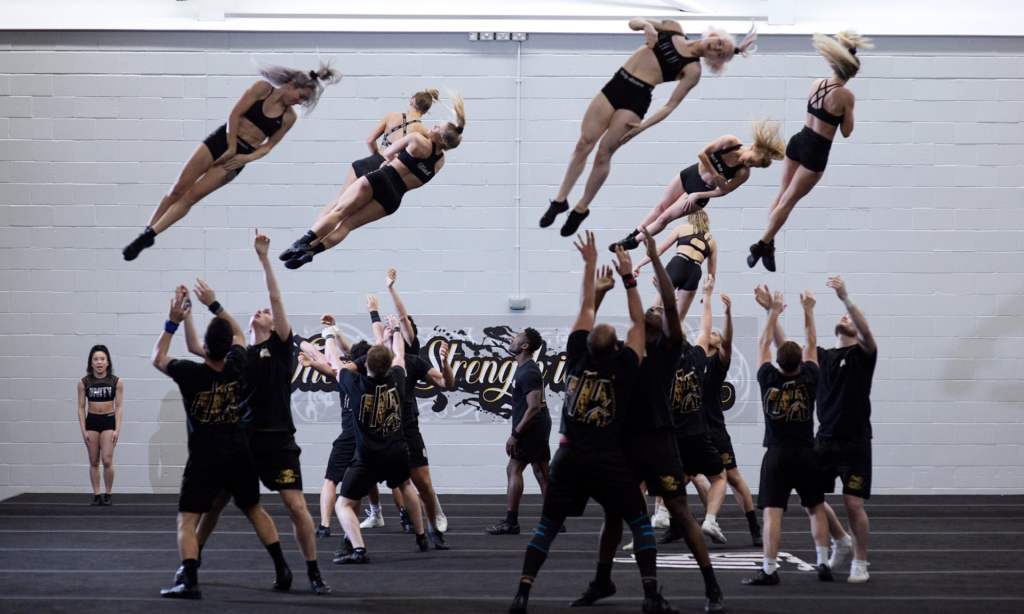
You have probably seen these sports at least once, if not on the television then most likely on your phone scrolling through Instagram or viewing stories. The athletes look so poised and graceful while performing hard skills, some seeming almost impossible, yet they still look so elegant. Sports such as cheerleading are both dangerous and high-risk despite what many would think. Athletes perform with such high energy and enthusiasm that leaves viewers thinking nothing could be wrong off the mat.

Many would disagree, whether its ex athletes of the sport or people sharing their opinion of the athlete’s appearance. It’s undeniable that when the term cheerleader is mentioned, a certain image pops up in peoples head. The image that comes to mind will be someone who is tall, skinny, blonde and nasty. What has led to this stereotype is the portrayal of cheerleaders in movies and TV shows. Another viable question is whether literature is to blame for the way these characters are viewed by the public. The truth behind this stereotype is that cheerleaders whether they are competitive or recreational don’t fit this look, as with every sport people come in different heights, weights and sizes.

The world of All-star and competitive cheer is a harsh one. With competitive cheerleaders getting judged on everything from how their hair and makeup is done to how well they look in their uniforms and this is all before the routine has begun. All these issues are running through their heads as they perform an exciting, enthusiastic and highly skilled routine. Speaking from experience cheerleaders are constantly comparing themselves to their teammates both on their physical appearance and their skill level. On many competitive teams the athlete’s spot is never secure, they must constantly prove themselves and this competition makes these comparisons inevitable. These constant comparisons between team members often leads to athletes potentially feeling poorly of themselves. Thus, athletes begin to criticise everything about themselves, questioning are they good enough to be on the team.

Christian Sinibaldi, 2020, The Guardian , Digital image, accessed 07 April 2020, https://images.app.goo.gl/kPYiQA6vyKJj55UJ6.

So how does this sport impact the metal health of these athletes? Cheerleaders are at a high risk of developing body image issues or eating disorders according to a study done by Toni Torres-McGehee. This study focuses primarily on college level cheerleaders in America and it found that many of these athletes are affected by these issues and many of them held characteristics of eating disorders. So why do these athletes feel this way? It could be down to the revealing uniforms that often show off the midriff section and as a consequence forces them to look perfect. Or is it that the ‘perfect body’ definitely plays a role in how these athletes view themselves in comparison to others while constantly battling the opinion of onlookers. In Netflix’s new documentary “Cheer”, we see a competitive college athlete weigh herself and being unhappy with the number displayed on the scales, despite her physical appearance being a small frame with little body fat. The ‘perfect body’ standard that seems to exist within the competitive cheer world has to have a negative impact on athlete’s mental health. In an effort to combat this, some competitions have rules where cheer clubs with athletes under a certain age are only allowed to have full length tops as part of their uniform.

However, not only does this sport encourage possible body image issues, it is a very dangerous sport which has numerous injuries some of which are catastrophic. While the most common injury gained in this sport is a sprain and the overall injury rate tends to be quite low, the severity of these injuries is what makes this sport dangerous for its athletes. Due to the nature of this sport, athletes are thrown in the air and either flipping or twisting whilst airborne. This means there is a strong possibility that athletes could fall from a height which would severely injure them. It can’t be denied that taking part in this sport whether at a professional or amateur level leads to its own set of issues and problems. This sport like many other holds a lot behind the persona that the team and the athletes present to the public. This sport holds the potential to be both physically and mentally dangerous to the athletes who compete it.

Design a site like this with WordPress.com
Get started